











Budget in brief: what you need to know
ISA cuts reversed, savings tax raised, fuel duty frozen again, £100 energy rebate and more...


Not to be redistributed, copied or modified in anyway. FT and Financial Times are trademarks of the Financial Times Limited.
Chip has hosting rights to certain limited Financial Times articles. This is not a live feed of Financial Times content.
All commentary and opinions are those of independent FT journalists and experts, not those of Chip. Chip does not give financial advice.
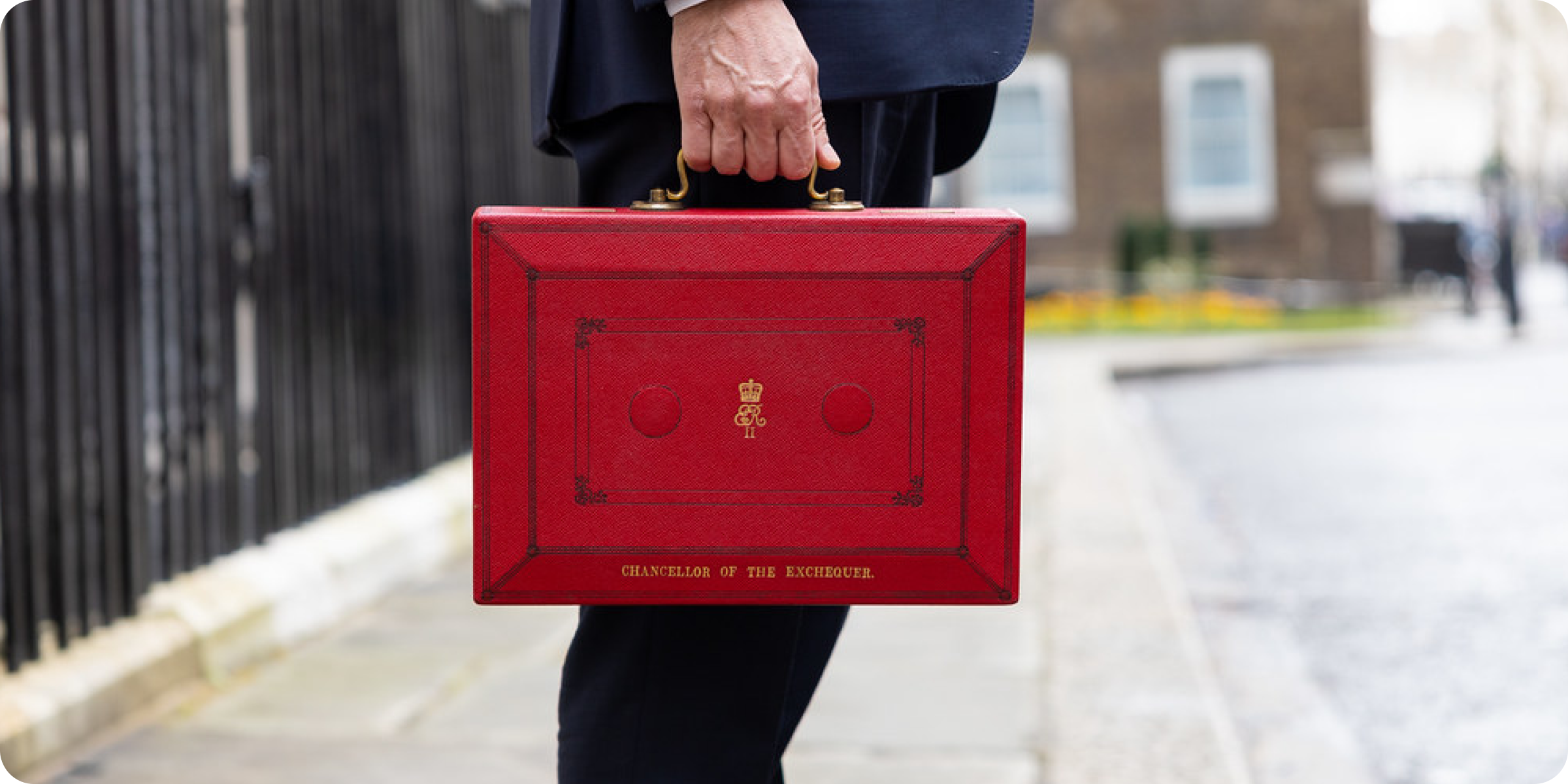
UK chancellor John Healey delivered the first Budget of Andy Burnham’s government on Wednesday, promising to give voters “breathing space” amid “global economic storms”.
Here are the key points from the fiscal statement.
Main policy announcements
Bank tax surcharge paid on corporation tax will rise from 3 per cent to 6 per cent for 15 months from January, below the 8 per cent level at which it was levied until 2023 and which lenders had been expecting ahead of the Budget. The measure will raise £305mn in this financial year and almost £1bn next year.
Income from property and savings will be subject to an extra 2p tax from April, on top of the extra 2p announced last year. The move will take the basic, higher and additional rates for property and savings income to 24 per cent, 44 per cent and 49 per cent. It will raise £1bn a year.
Cash Isa tax-free annual allowance will stay at £20,000, with former chancellor Rachel Reeves’ planned cut to £12,000 from April scrapped.
Devolution will lead to 20 per cent of business rates being retained by mayors from next year, with a goal of reaching 100 per cent by the end of the decade. Mayors will gain a share of income tax from 2028 to provide funding for infrastructure.
Gambling tax on high-stakes gaming machines will rise from 20 per cent to 25 per cent, with a threshold designed to exempt pubs and seaside arcades. Gaming venues and vape shops will be exempt from business rates relief. Higher gambling taxes will raise £150mn a year.
A £100 energy rebate will be given to 20mn households in council tax bands A to D, at a one-off cost of £2.6bn. Standing charges, paid by everyone regardless of their energy use, will be removed from household gas bills.
Other key measures
HM Revenue & Customs, the tax authority, will gain powers to take money from people’s bank accounts to recover “lower value tax debts”. People who make self-assessment payments on accounts will have to make more regular payments from 2029. The clampdown on tax underpayments is forecast to raise £3.2bn in 2031-32.
National Wealth Fund and British Business Bank to receive £20.4bn of additional support for renewable energy, defence, AI and other projects, which the Treasury has claimed will create and support 100,000 jobs by 2035.
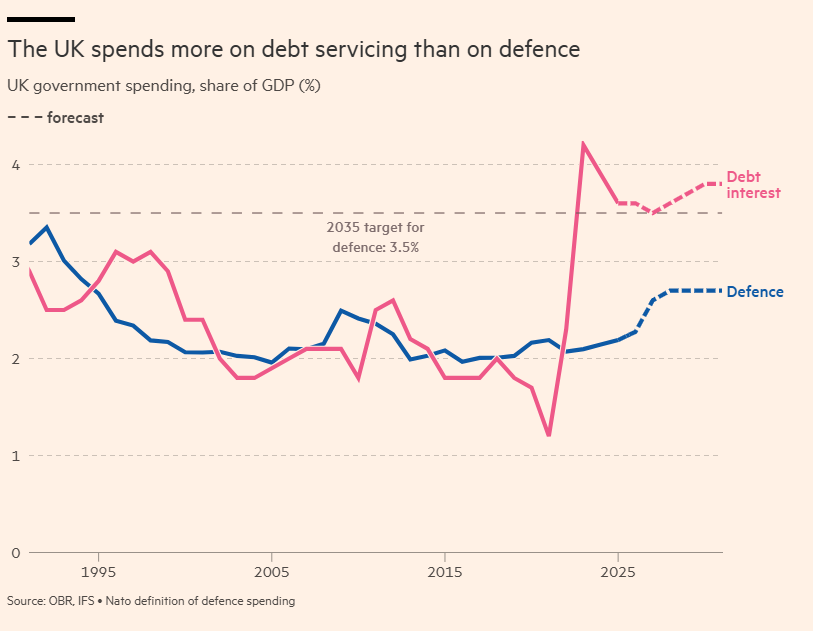
Defence spending will account for 3 per cent of GDP by 2030 but Healey did not set out how the rise would be funded, saying he wanted to look at “innovative financing” alongside spending cuts. He signalled this would include £5bn of defence technology investments through the NWF and BBB.
Founder’s relief will be offered to people who start their own business, giving them a lower capital gains rate of 10 per cent for up to £10mn of lifetime gains. The policy is projected to cost £300mn a year.
Writedown allowances by businesses on equipment and machinery will be cut by £1bn a year. The main writedown allowance will fall to 12 per cent, after a previous cut from 18 per cent to 14 per cent, even as the first-year allowance is increased from 40 per cent to 50 per cent.
Fuel duty freeze extended until summer 2027, along with VAT cut on electricity bills.
Fiscal outlook
Fiscal headroom will be £15bn in 2029-30, down from £23.6bn in the Spring Statement in March. Fiscal headroom is the buffer that Healey has against his promise to fund day-to-day spending — excluding investment — entirely with tax receipts by 2029-30.
Borrowing as a share of GDP is set to decline to 4.2 per cent in 2026-27 and stand at 2.1 per cent in 2029-30. In March, the Office for Budget Responsibility forecast borrowing of 3.6 per cent in 2026-27 and 1.8 per cent in 2029-30.
Debt is set to fall to 83.1 per cent of GDP by 2029-30, from 83.8 per cent in the previous year, meeting the government’s “investment rule”.
Tax-to-GDP ratio is projected to reach a historical high of 38.6 per cent by 2031-32, up from 32.9 per cent in 2019-20, before the pandemic.
Economic forecasts
Growth will be 1.2 per cent in 2026, up from a forecast of 1.1 per cent in March. But the economy is expected to expand by only 1 per cent in 2027, down from a previous estimate of 1.6 per cent.
Inflation will stand at 3.1 per cent in 2026, up from a forecast of 2.3 per cent in March. It will be 3.4 per cent next year, above the previous estimate of 2 per cent, which is the Bank of England’s official target rate.
Household disposable income is set to contract by 0.6 per cent this year and grow just 0.2 per cent in 2027. In 2030-31, per person real household disposable income will be 2 per cent above its pre-pandemic level.