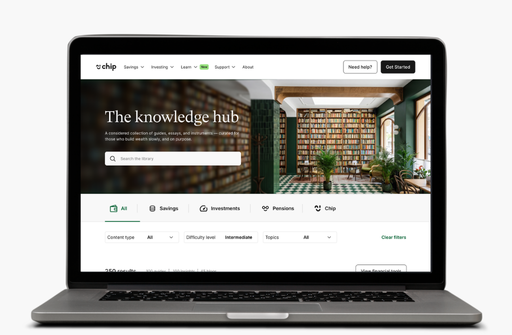
The knowledge hub

A considered collection of guides, essays, and instruments — curated for those who build wealth slowly, and on purpose.

0
results
Filter results
Filter by:
Content type
Difficulty level
Topics
0
results
View financial tools
Investment Portfolio Management
2 min read
Expert
Investing basics

What is portfolio management? 

Portfolio management is the ongoing process of you selecting, monitoring and adjusting your investments to meet your financial goals.

It’s not just about choosing a few investments and crossing your fingers – it’s about seeing the full picture and making smart, informed choices.

That means thinking about the mix of investments you own (also called asset allocation), how much investment risk you’re taking, and making regular adjustments as life or market conditions change.

Done well, it can help you grow your wealth steadily while keeping risk at a level you’re comfortable with.

‍

Investment portfolio management examples

The following portfolio management strategies are commonly used:

Cautious portfolio: Might include a large portion of bonds and cash, with a smaller slice in equities.
Great for:
people close to retirement or those who don’t want much risk.
Balanced portfolio
: Typically splits investments between equities and bonds, aiming for moderate growth with manageable risk.
Great for:
long-term investors who want a bit of both worlds.: Heavier on equities (including global and emerging markets), and lighter on bonds or cash. 
Great for:
investors with a higher risk tolerance and a longer time horizon.

These are just examples; your ideal portfolio depends on your goals, timeline, and how much market fluctuation you’re okay with.

‍

DIY investing vs managed portfolios

There are two main tracks you can go down with your portfolio:

‍DIY Investing

You pick and manage all your investments yourself.‍

Great if: you like having full control, enjoy researching markets, or want to tailor things really specifically. But it requires time, confidence, and a steady hand when markets wobble.

Managed Portfolios

You choose a risk level, and a provider (like Chip) builds and maintains a diversified portfolio for you.‍

Great if: you want a more hands-off approach, but still want exposure to the market. You’ll usually pay a small fee for this convenience, but it can be well worth it if it helps you stay invested long-term.

‍

What is asset allocation & why it matters?

Asset allocation is the mix of different asset classes in your portfolio – typically things like equities (stocks), bonds, cash, and sometimes alternative assets like property or commodities.

Getting the mix right is crucial. Why? Because it’s one of the biggest factors that affects your portfolio’s overall risk and return.

  • More equities – higher potential returns, but also more ups and downs.
  • More bonds – lower risk, but also lower growth.

Your ideal allocation depends on your goals and how long you’re planning to invest. This is not set in stone, and it can (and should) shift over time.

‍

How to rebalance your investment portfolio

Over time, some of your investments will grow faster than others, which means your portfolio can drift away from your original asset allocation. That’s where rebalancing comes in.

Rebalancing means adjusting your investments to bring them back in line with your target allocation.

For example, if stocks have surged and now make up 80% of your portfolio instead of your intended 60%, you might sell some and buy more bonds or cash-equivalents.

Some managed portfolios (like what’s listed on the Chip app) automatically rebalance for you. If you’re doing it yourself, you might want to set a calendar reminder every 6 or 12 months to review your allocation.

‍

Understanding behavioural investing & common mistakes

When it comes to investing, your emotions can be your worst enemy. Many investors panic-sell when markets fall, or chase after the latest stock or trend, only to end up buying high and selling low. 

This is known as behavioural investing, and it’s often where people slip up. The majority of investment gains are dampened by a degree of investor error, and generally the less decisions you can make, the better. 

The next guide in our series will dive into this in some more detail. 

‍

Cash ISAs Explained
2 min read
Beginner
Accounts & Products

What is a Cash ISA?

A cash ISA, short for Cash Individual Savings Account, is similar to a conventional savings account. However, its distinctive feature is the exemption from taxation on the interest earned.

In each UK tax year (which runs from April to April), you can deposit up to £20,000 into a cash ISA.

ISA savings are in addition to the Personal Savings Allowance (PSA), which permits basic rate taxpayers to earn up to £1,000 in savings interest annually without incurring tax liabilities.

Higher rate taxpayers (40% tax rate) qualify for a reduced PSA of £500 per year, while additional taxpayers earning £150,001 or more do not receive any allowance.

ISA limits apply. £20k per tax year. Chip does not provide tax advice or financial advice. Tax treatment depends on individual circumstances and may be subject to change in the future.

‍

How do Cash ISAs Work?

If you're thinking about using a cash ISA to grow your savings, here's a brief overview of how they work:

  • Cash ISAs are typically easy to open.
  • You can save up to £20,000 annually, and your account accrues interest similar to a standard savings account.
  • A variety of cash ISAs are available, such as easy access, regular saver, fixed rate, and junior ISAs for individuals under 18.
  • Different ISAs may have varying terms, including withdrawal restrictions on fixed rate cash ISAs.
  • Transferring funds from previous tax years into a higher-yield ISA account is possible. Avoid closing an ISA when switching; instead, contact your new ISA provider to facilitate the transfer.

‍

Interest Rates on Cash ISAs

The interest rate depends on the type of cash ISA and the chosen provider. Fixed rate cash ISAs offer a guaranteed return for a set period, whereas variable rate cash ISAs may change if the provider adjusts its interest rates.

Use our interest rates calculator to see how much you could earn. 

Cash ISA interest rates can vary between financial providers, so it’s always good to do your research with comparing Cash ISA rates.

‍

Cash ISA factors to think about

Before opening a cash ISA, consider the following factors:

1. Interest Rate: The interest rate determines your savings' returns. Be aware that initial high introductory rates may decrease after a year, so consider transferring your ISA funds to a higher-yielding account at that point.

2. Account Type: Choose between easy access, fixed, or regular saver ISAs based on your preferences for return and accessibility.

3. Alternative ISAs: Apart from cash ISAs, you can explore stocks and shares ISAs. These involve investing in the stock market, offering potential rewards but also bearing some level of risk.

4. Annual Limit: You can open only one cash ISA each year. Think carefully before selecting your cash ISA, keeping in mind that your total ISA savings can't exceed £20,000 in any tax year.

5. Deadline: The tax year concludes on April 5th. Any unused ISA allowance cannot be carried over, so invest before this date to maximise your tax-free benefits.

‍

How Many Cash ISAs Can I Have?

You can have multiple ISAs, but you can only deposit a maximum of £20,000 in a given tax year.

Be aware that transferring funds from previous years' ISAs does not count towards this limit.

‍

Cash ISA Rules

Cash ISA rules are straightforward:

  • You can deposit a maximum of £20,000 per tax year.
  • Transfers from existing cash ISAs to new cash ISAs or splitting transfers among different providers are allowed.
  • To switch between cash ISA providers, you must request a transfer. If you withdraw the money yourself, you'll lose your tax-free allowance on the entire sum.
  • You can transfer money from a stocks and shares ISA to a cash ISA, but this requires a form to be submitted to the new provider (but please note you can't currently do this with Chip).

‍

Pros and Cons of Cash ISAs

Pros of cash ISAs:

  • Tax-free savings.
  • No risk of capital loss compared to stocks and shares ISAs.
  • Flexibility to transfer to higher-yield accounts while retaining tax advantages.

Cons of cash ISAs:

  • High interest rates may drop after the first year.
  • Fixed rate cash ISAs may lock your money for a set period.
  • Not all accounts accept transfers from previous years, and exit fees may apply.

‍

Switching Cash ISAs

Switching could be considered if you find an account offering a higher interest rate. Ensure the new provider accepts transfers and inquire about any penalties for moving your funds.

You can transfer savings from both the current and previous years. It may also be possible to request a partial cash ISA transfer however not all providers can facilitate this.

Avoid closing the ISA, as this would result in losing the tax benefits. Instead, contact the new provider to arrange the transfer.

Biggest companies in China by market cap
2 min read
Expert
Global cap giants

What are the biggest companies in China by market cap?

This list ranks China’s biggest public companies by market capitalisation; the cumulative value of a company's total outstanding market shares. We’ll also be highlighting other key figures, such as the company's revenue, gross profit, and 1-year return (all based on the previous fiscal year). 

Some other key facts such as the exchange the company is listed on, the founding year and country the company is headquartered in are also covered.

‍

1. Industrial and Commercial Bank of China (ICBC)

  • Market cap: $349 billion‍
  • Revenue: $221 billion‍
  • Gross profit: N/A 
  • 1-yr return: +34.6%‍
  • Exchange: SSE‍
  • Year founded: 1984‍
  • Country: China

ICBC is the world's largest bank by total assets. As one of China's "Big Four" state-owned commercial banks, it provides a comprehensive range of financial services to a massive customer base.

  • Corporate banking: Offers financial services to corporations, government agencies, and financial institutions, including loans, trade financing, and asset management.
  • Personal banking: Provides a full suite of services to individuals, including deposits, loans, credit cards, and wealth management.

‍

2. Agricultural Bank of China (AgBank)

  • Market cap: $338 billion
  • Revenue: $193 billion
  • Gross profit: N/A
  • 1-yr return: +55.36%
  • Exchange: SSE
  • Year founded: 1951
  • Country: China

Another of the "Big Four" state-owned banks, AgBank was initially established to serve China's vast rural population but has since expanded into a major commercial bank.

  • Sannong banking: A core focus on providing financial services to the agriculture, rural areas, and farmer demographics.
  • Corporate & personal banking: Offers a wide range of standard banking services to both corporate and individual clients.

‍

3. China Construction Bank Corp. (CCB)

  • Market cap: $267 billion
  • Revenue: N/A
  • Gross profit: N/A
  • 1-yr return: +27.48%
  • Exchange: SSE
  • Year founded: 1954
  • Country: China

CCB is one of the "Big Four" state-owned banks in China and is a market leader in infrastructure loans.

  • Infrastructure lending: A primary focus on providing long-term credit for major infrastructure projects like transportation and energy.
  • Corporate & personal banking: Offers comprehensive financial services, including corporate finance, personal banking, and treasury operations.

‍

4. Kweichow Moutai Co.

  • Market cap: $265 billion
  • Revenue: $21.7 billion
  • Gross profit: $19.5 billion
  • 1-yr return: +12.17%
  • Exchange: SSE
  • Year founded: 1999
  • Country: China

Kweichow Moutai is the world's most valuable liquor company, famous for producing Moutai baijiu, a prestigious and fiery spirit that is considered China's national liquor.

  • Moutai Baijiu: Production of its high-end baijiu, a spirit distilled from fermented sorghum, which is a staple at state banquets and a popular luxury gift.

‍

5. China Mobile Limited

  • Market cap: $245 billion
  • Revenue: $146 billion
  • Gross profit: $38.1 billion
  • 1-yr return: +8.04%
  • Exchange: SSE
  • Year founded: 1997
  • Country: China

China Mobile is the world's largest mobile network operator by number of subscribers, providing telecommunications and mobile services to a vast domestic market.

  • Mobile voice & data: Its core business involves providing mobile and 5G services to over 900 million subscribers.
  • Broadband & digital services: Offers wireline broadband and a range of digital services for both personal and corporate customers.

‍

6. Contemporary Amperex Technology (CATL)

  • Market cap: $228 billion
  • Revenue: $52.3 billion
  • Gross profit: $12 billion
  • 1-yr return: +99.65%
  • Exchange: SZSE
  • Year founded: 2011
  • Country: China

CATL is the world's largest manufacturer of electric vehicle (EV) batteries, supplying a huge portion of the global automotive industry.

  • EV battery systems: Designs and manufactures rechargeable lithium-ion batteries for electric vehicles for major clients like Tesla, BMW, and Volkswagen.
  • Energy storage systems: Develops large-scale battery systems for storing energy from renewable sources like solar and wind.

‍

7. PetroChina Co. Ltd.

  • Market cap: $217 billion
  • Revenue: N/A
  • Gross profit: N/A
  • 1-yr return: +7.36%
  • Exchange: SSE
  • Year founded: 1999
  • Country: China

PetroChina is China's largest oil and gas producer and distributor, playing a pivotal role in the country's energy sector.

  • Exploration & production: Manages the exploration, development, and production of crude oil and natural gas.
  • Refining & chemicals: Operates refineries and chemical plants to process crude oil into a wide range of petroleum and chemical products.

‍

8. Bank of China Ltd.

  • Market cap: $175 billion
  • Revenue: $86.50 billion
  • Gross profit: N/A
  • 1-yr return: +16.13%
  • Exchange: SSE
  • Year founded: 1912
  • Country: China

The fourth of the "Big Four" state-owned banks, the Bank of China is the most international and diversified of the group.

  • International banking: Has a significant global presence, specializing in foreign exchange and international trade finance.
  • Corporate & personal banking: Provides a full range of financial services to clients both in mainland China and abroad.

‍

9. Foxconn Industrial Internet Co.

  • Market cap: $166 billion
  • Revenue: $99 billion
  • Gross profit: $6.8 billion
  • 1-yr return: +224.07%
  • Exchange: SSE
  • Year founded: 2015
  • Country: China

A subsidiary of the Taiwanese giant Hon Hai Precision Industry (Foxconn), Fii focuses on the more advanced aspects of electronics manufacturing.

  • High-performance computing: Manufactures cloud servers, data centers, and industrial AI solutions.
  • 5G & IoT: A key producer of communications network equipment and Internet of Things (IoT) devices.

‍

10. China Merchants Bank Co.

  • Market cap: $149 billion
  • Revenue: N/A
  • Gross profit: N/A
  • 1-yr return: +37.91%
  • Exchange: SSE
  • Year founded: 1987
  • Country: China

China Merchants Bank is China's largest non-state-owned bank and is widely regarded as a leader in the country's retail and private banking sectors.

  • Retail banking: A major focus on serving individual customers, particularly affluent clients, with a strong reputation for its credit card and wealth management services.
  • Corporate banking: Provides a range of services to corporate clients, though it is best known for its retail operations.

‍

What are the biggest companies by total annual revenue?

  • PetroChina Co.: $431.66 billion 
  • Sinopec Corp.: $425.11 billion 
  • China State Construction Engineering: $305.88 billion 
  • China Mobile Limited: $145.74 billion 
  • Industrial and Commercial Bank of China: $120.33 billion

‍

What are the biggest companies by workforce?

  • BYD Company: 968,870 
  • China Mobile Limited: 455,400 
  • Agricultural Bank of China: 454,720 
  • Industrial and Commercial Bank of China: 415,160 
  • China Construction Bank: 376,850

‍

Summary

Understanding a company's performance is crucial; it's how you truly know what you own. These metrics directly drive the value of your stocks and funds. When you understand these key drivers, you can navigate market changes with confidence, rather than just reacting to headlines.

Next we’ll be looking at the biggest companies in South America by market cap.

All market data sourced from TradingView and company reports as of 17.09.2025.

What are stocks and how do they work?
2 min read
Beginner
Investing basics

How do stocks work?

Companies issue shares to raise money often through an initial public offering (IPO), which allows them to sell ownership stakes to investors.

Once listed on a stock exchange, these shares can be bought and sold by the public. 

The price of a share is driven by supply and demand. If more people want to buy a stock than sell it, the price goes up, and vice versa.

Market value (or market cap) is the share price multiplied by the total number of shares. 

Prices change based on company performance, news, investor sentiment, and broader economic factors.

‍

Why invest in stocks?

Investing in stocks gives you the chance to grow your money if a company's value increases over time.

Some stocks also pay dividends, a portion of company profits shared with shareholders, potentially providing regular income. 

Over the long term, stocks have historically outperformed cash savings and helped investors build wealth. While short-term ups and downs are normal, staying invested can pay off.

‍

How do stocks make you money?

As mentioned above, investors can potentially make money from stocks in two ways:

  1. Capital appreciation - this means the price of your stock has increased. When your appreciated money is invested in a stock, you won’t make a profit until you ‘realise’ your gains by selling it.
  1. Dividends - this is a share of a company’s profit, paid out to you in cash. Not all stocks offer dividends, and payouts are at the discretion of the company. 

‍

Types of stock explained‍

  1. Growth stocks aim for rapid expansion and often reinvest profits, so they may not pay dividends. 
  1. Value stocks are seen as undervalued by the market and could offer higher potential growth. 
  1. Dividend stocks regularly share profits with investors, providing income alongside potential growth. 
  1. Blue-chip stocks are large, established companies known for stability
  1. Penny stocks are low-priced and higher risk, often tied to smaller or newer businesses. 

Each type comes with its own balance of risk and reward, so it’s worth matching your picks to your goals and comfort level. Understand stock market basics.

‍

Risks of investing in stocks

Stock prices can rise and fall quickly due to market volatility, meaning there’s always a risk of losing money.

Emotional investing, like panic selling during downturns, can lock in losses and hurt long-term returns. 

It’s important to understand your risk tolerance and avoid reacting to short-term market noise.

Diversifying your investments and staying focused on long-term goals can help manage risk investments. A steady mindset is just as valuable as a strong portfolio.

‍

Stocks summary

Stocks let you buy a slice of a company, with the potential to earn through rising prices and dividends — though prices move up and down.

They’re a powerful tool for long-term growth, especially when you stay diversified and think long-term.

Next, we’ll explore investment bonds — typically a steadier asset than stocks that can offer regular income and help balance risk in your portfolio.

‍

FAQs

Is investing in stocks worth it?

Investing in stocks can be one of the most effective ways to grow wealth over time. While there are risks, stocks have historically outperformed cash savings and inflation, especially over a long-term investment horizon.

Do all stocks pay dividends?

No, not all stocks pay dividends. Some companies reinvest their profits to fuel growth instead. These are often called growth stocks, while dividend-paying stocks provide income alongside potential capital gains.

Which stock is best for beginners?

There’s no one-size-fits-all answer, but beginners often start with well-known, stable companies (blue-chip stocks) or consider index funds and ETFs, which spread your money across many stocks to lower risk.

‍

Direct investment into individual stocks is not available via the Chip platform. Chip offers investment funds that invest in different assets as a collective investment.

What are the Different Types of Savings Accounts?
2 min read
Beginner
Accounts & Products

When it comes to saving money, it’s always important to choose an option that’s right for you. Understanding the different options available can help you choose the best account for your own savings goals.

‍

Easy Access Savings Accounts

‍These accounts are ideal for those who want to save money and earn interest on their savings, but also enjoy access to their money at any time. They allow customers to deposit and withdraw money at will, usually with no penalty. See our Chip Easy Access account.

Interest rates tend to be variable and can be changed at any time (usually with a notice period from the bank). They are a great option for getting interest on money you may want to spend immediately or may need to use because of an unforeseen expense.

‍

Cash ISA

‍An ISA (individual savings account), is a type of tax-free savings account that is available to UK residents. They allow customers to save money without having to pay tax on the interest earned. 

They can be a great way to save for the long term and make the most of your money should earnings from other savings accounts mean you max out your personal savings allowance.

Find out more about our Cash ISA

Chip does not provide tax advice. Tax treatment depends on individual circumstances and may be subject to change in the future.

‍

Regular Savings Accounts

‍A regular savings account is designed for customers who are looking to save a fixed amount of money on a regular basis. They tend to offer higher interest rates than other types of savings accounts in return for regular deposits. Calculate your savings goal.

They are a good option for those who want to save smaller amounts of money, but may not have a lump sum to deposit. However, there are usually restrictions on how much you can deposit and the number of withdrawals allowed, and customers may have to pay a penalty to access their funds. More savings accounts.

‍

Children’s Savings Accounts

‍These savings accounts are for children under the age of 18 and tend to offer higher interest rates than other types of savings accounts. 

They are a great way for parents to help their children save money and learn about personal finance or for parents to start putting money aside for their children's future. Many children’s savings accounts also come with educational resources to help kids learn about saving and managing money.

Not available with Chip

‍

Fixed Rate Savings Accounts

‍These accounts offer customers a fixed interest rate for a set period of time. This is usually between one to five years. This type of account is ideal for those who want to lock in a high-interest rate and can leave their money untouched for a set period.

Fixed-rate savings accounts are ideal for people who want to save for a specific goal, such as a down payment on a house or a vacation. However, customers may not be able to access their funds during this period without incurring a penalty.

Not available with Chip

‍

Remember When Choosing a Savings Account

When looking for the right savings account, it’s important to consider the interest rate, any fees or penalties and any restrictions on deposits and withdrawals. Additionally, comparing different types of savings accounts can help you find one that suits your needs. 

It’s important to consider your own savings goals when looking for the right account. Whether you’re looking for a high-interest account or a tax-free savings option, Chip offers a range of savings account for you.

ESG investing explained
2 min read
Intermediate
Investing trends

What is ESG investing?

ESG investing is a strategy that considers environmental, social, and governance factors when selecting investments. 

Rather than focusing solely on financial returns, ESG investing also evaluates how companies manage risks and opportunities related to:

  • Environmental impact (e.g. carbon emissions, waste management, energy efficiency)
  • Social practices (e.g. employee treatment, community impact, supply chain ethics)
  • Governance structures (e.g. executive pay, board diversity, shareholder rights)

While financial performance remains important, ESG investing applies an additional layer of scrutiny to assess whether a company acts responsibly and sustainably.

‍

How ESG investing works

At its core, ESG investing uses specific non-financial criteria to screen or select investments. This can be done in several ways:

  • Positive screening: Choosing companies that score highly on ESG factors
  • Negative screening: Excluding companies that operate in controversial industries (e.g. tobacco, fossil fuels)
  • ESG integration: Incorporating ESG analysis alongside traditional financial metrics
  • Thematic investing: Focusing on specific ESG-related themes like clean energy or gender diversity
  • Engagement and stewardship: Actively engaging with companies to encourage better ESG practices

Many fund managers and platforms now offer ESG-labelled products, often relying on third-party ESG ratings to guide decisions.

‍

An example of ESG investing

Imagine an investor wants to support the transition to a low-carbon economy.

Instead of buying shares in a traditional energy company, they invest in a fund that holds companies developing renewable energy technologies, such as wind or solar power.

At the same time, they may avoid companies with poor track records on pollution or that are heavily reliant on coal production.

This kind of decision reflects an ESG mindset, considering not just potential returns, but the broader impact of each investment.

‍

Advantages and Disadvantages of ESG Investing

Advantages of ESG investing include:

  • Alignment with values: Investors can support causes they care about without sacrificing financial goals.‍
  • Risk management: Companies with strong ESG practices may be better positioned to handle long-term risks.‍
  • Growing demand: Interest in ESG is increasing, which may drive innovation and market opportunities.

Disadvantages of ESG investing include:

  • Inconsistent ratings: ESG scores can vary between providers, leading to confusion.‍
  • Greenwashing: Some companies may overstate their ESG credentials without meaningful action.‍
  • Limited track record: While ESG funds have grown, long-term performance data is still evolving.

‍

ESG metrics used

Measuring ESG performance involves analysing both qualitative and quantitative indicators. Common metrics include:

  • Carbon emissions and energy usage (Environmental)
  • Workforce diversity, employee turnover (Social)
  • Board independence, executive compensation (Governance)

These metrics are typically aggregated into an ESG score by third-party rating agencies. However, scoring methods vary, making it important for investors to look under the surface rather than relying on a single number.

In the UK, regulatory bodies like the Financial Conduct Authority (FCA) are working to improve transparency and standardisation in ESG disclosures, but this remains a developing area.

‍

How ESG differs from sustainable investing

While ESG and sustainable investing often overlap, they’re not identical. ESG investing focuses on how environmental, social, and governance risks and opportunities affect a company’s performance and, in turn, an investor’s returns.

Sustainable investing prioritises broader long-term goals, such as promoting a more sustainable future, even if the financial returns take longer to materialise.

In simple terms, ESG is often about risk and responsibility, while sustainable investing is more explicitly mission-driven.

‍

Other considerations for UK investors

  • Regulation and Disclosure. The UK has committed to making climate-related financial disclosures mandatory for many large companies and asset managers. This is intended to help investors make more informed decisions and reduce the risk of greenwashing.‍
  • Tax and Investment Wrappers. As with any investment, ESG assets can be held in ISAs or SIPPs, offering potential tax advantages. However, ESG status doesn't inherently make an investment more or less tax-efficient.‍
  • Due Diligence is Key. Regardless of ESG labels, it’s important for investors to review the fund’s holdings, strategy, and costs, and ensure it aligns with their personal goals and risk tolerance.

‍

The bigger picture of values-based investing

ESG investing offers a growing range of options for UK investors who want to align their financial decisions with their values.

It’s not about choosing between returns or responsibility, but about understanding how both can work together when guided by thoughtful analysis.

As ESG awareness matures, many investors are exploring even more focused strategies, like thematic investing, which allows you to back specific trends or ideas (such as clean tech, water security, or ageing populations).

Next in this series: Fractional Shares: Investing in Pieces, where we’ll explain how fractional investing works, and how it’s opening up access to markets for beginners.

The mastering your money mindset: Simple psychology for smarter saving
2 min read
Intermediate
Money Mindset & Lifestyle

We all have financial goals. Whether you're aiming for early retirement, paying off your mortgage, or growing your pension, the path to success depends on more than just numbers. 

It's about mindset. Managing money isn’t just about budgeting or resisting impulse buys; it’s about understanding your relationship with money. 

So, with that in mind, let’s explore some psychological strategies and simple tricks to help keep you on track with your savings goals.

‍

Discover your money personality

Each of us has a unique relationship with money, influenced by upbringing, experiences, and even cultural shifts. Some people naturally save, always preparing for the future. Others tend to spend impulsively, enjoying life in the moment.

To understand your money personality, reflect on how your family viewed money growing up.

Did your parents or friends have the same financial habits as you? Acknowledging your financial background can be eye-opening.

For example, in the 1980s, the average age of marriage in the UK was 25, while today it’s 34. Similarly, first-time homebuyers were 28 on average in the '80s, but now the typical age is 34.

These shifts mean our financial expectations have changed dramatically, but our attitudes may not have kept pace.

‍

Visualise your financial success

Imagine yourself in 10 years, living your dream life – perhaps you’re mortgage-free, retired early, or taking monthly holidays.

Visualisation is a powerful tool and can help turn long-term goals into daily motivators.

Create a vision board, save goal-related images on Pinterest, or stick a picture of your future dream on your fridge. Keeping these visuals front and centre will reinforce your motivation to stay committed to your financial journey.

‍

Break it all down

Achieving financial freedom doesn’t happen overnight – it requires small, consistent actions. Breaking down your big savings goal into manageable steps makes the journey less overwhelming.

Celebrate each milestone, whether it’s saving your first £1,000 or hitting 25% of your target. Each victory boosts your motivation and reinforces positive habits.

And, if you slip up or miss a goal, don’t beat yourself up. Life happens – what matters is bouncing back and focusing on the next milestone.

‍

Master delayed gratification

In a world of instant gratification, learning to delay is a game-changer. When faced with an impulse purchase, take a pause. Ask yourself how it will (or could) impact your future.

Your Chip app can help with this by showing you how far you’ve come, and what’s still ahead. If impulse control isn’t your strong suit, budget a little "fun money" each month. This way, you’re not depriving yourself, you’re just adding a delay to your gratification.

‍

Automate your savings

Set it and forget it. Automation is one of the easiest ways to grow your savings without thinking about it. Set up automatic transfers to your savings or investment accounts as soon as you get paid. This way, you learn to live off what’s left, while your wealth grows in the background.

Also, perhaps think about keeping push notifications on for your money apps so you can celebrate small wins when deposits are made. This can be a great daily reminder of your progress.

‍

Surround yourself with support

Money talk doesn’t have to be taboo. Surround yourself with friends or communities that share your financial goals. Whether it’s a local investment club or an online group, sharing ideas and strategies can keep you inspired and accountable.

Social media can be a great resource for connecting with others who are saving for similar goals. You can learn from their mistakes and successes, while also building a support network for those inevitable tough moments.

‍

Keep learning

Financial knowledge is empowering. Always try to keep learning, whether it's mastering tax laws, exploring different types of investments, or brushing up on budgeting tips. Staying informed can help you make smarter decisions and ensure you stay in control of your financial future.

Mastering your money mindset isn’t just about controlling impulse buys or following a rigid budget. It’s about aligning your financial actions with your long-term goals.

Every small step you take today is building a brighter future for yourself. Remember, the journey to financial freedom is uniquely yours. Celebrate each win, embrace the process, and keep your eye on the prize.

With the right mindset and tools—like the Chip app—your financial future can become more than just a dream.


Introduction to pensions
2 min read
Beginner
Pension basics

What is a pension? 

At its simplest, a pension is a long-term savings plan with special tax rules. Unlike a regular bank account, the government adds money to your pension in the form of tax relief, and your employer will often contribute too.

The money you save is invested, meaning it buys shares, bonds, and other assets to help it grow over time. The goal is to build up a large enough pot of money to provide you with an income when you retire.

‍

How do pensions work? 

Pension pots are built up through ‘compound growth’. You contribute a small amount regularly over many years, and that money earns a return. That return is then reinvested to earn its own return.

Money gets into your pension in one of three ways:

  1. You pay in: Regular monthly payments or lump sums.
  2. Your employer pays in: If you are employed, your company is usually legally required to contribute.
  3. The government pays in: This is called tax relief, effectively ‘free money’ from the government to reward you for saving. We’ll come back to this later.

Read our full guide on pension contributions.

‍

Building your pension pot

What are the main types of pension? 

When building your retirement fund, almost every UK pension falls into one of two categories: Defined Contribution or Defined Benefit. 

Defined Contribution pension scheme 

Most modern private and workplace pensions are Defined Contribution schemes.

  • You and/or your employer pay into a pot. That pot is invested.
  • The final value of your pension depends on how much you paid in and how well your investments performed. This amount is not guaranteed.
  • Examples: SIPPs, Nest, most workplace schemes.
Defined Benefit pension scheme

These are often called ‘final salary’ or ‘career average’ schemes. They are now rare in the private sector but common in the public sector (e.g., NHS, Teachers, Civil Service).

  • Your employer promises to pay you a guaranteed income for life when you retire.
  • The amount is based on your salary and years of service, not on investment performance. Your employer takes the risk, not you.

‍

Sources of pension income

What is the State Pension? 

The State Pension is a regular payment from the government, based on your National Insurance record, not your personal savings.

  • Current amount (2025/26): The full New State Pension is £230.25 per week (approx. £11,973 a year).
  • You usually need at least 10 ‘qualifying years’ on your National Insurance record to get anything, and 35 years to get the full amount.
  • You can claim it when you reach State Pension age, which is currently 66. 

Read our full guide on the State Pension.

What is a workplace pension?  

A workplace pension is arranged by your employer. Thanks to Automatic Enrolment laws, employers must set up a pension for eligible staff and contribute towards it.

  • Minimum contributions: Currently, the minimum total contribution is 8% of your qualifying earnings. 3% must come from your employer. 5% comes from you (including tax relief).
  • If you opt out, you are essentially turning down a pay rise in the form of employer contributions.

Read our full guide on workplace pensions.

What is a private pension?  

A private pension (also known as a Personal Pension) is one you set up yourself. This is essential if you are self-employed or want to save extra money on top of your workplace scheme.

  • SIPPs: A Self-Invested Personal Pension (SIPP) is a popular type of private pension that gives you full control over where your money is invested.
  • Flexibility: You can usually stop, start, or change your contributions whenever you like.

Read our full guide on private pensions.

‍

An intro to pension tax rules

What is pension tax relief? 

Tax relief is how the government encourages you to save. It effectively refunds the Income Tax you paid on the money you put into your pension.

  • Basic rate taxpayers (20%): To save £100, you only pay £80. The government adds the other £20.
  • Higher and additional rate taxpayers (40-45%): You can claim back an additional 20-25%, meaning a £100 contribution effectively costs you only £55-60. The first 20% is typically paid out automatically into the pension and the additional 20-25% will need to be claimed through a Self Assessment tax return. 
What is the pension annual allowance? 

The amount you can save into a pension each year while still benefiting from tax relief is limited.

  • The limit (2025/26 tax year): For most people, the Annual Allowance is £60,000 per tax year (or 100% of your earnings, whichever is lower).
  • High earners: If you earn over £200,000, your allowance may be reduced (tapered).
  • If you don't use your full allowance, you can often carry forward unused allowance from the previous three years.
  • Once taxable income has been taken by an individual through flexible drawdown or the tax-free lump sum, tax relieved contributions to defined contribution pensions are limited to £10,000 per tax-year. This is the Money Purchase Annual Allowance (MPAA).

Read our full guide on pensions tax, relief and allowances.

‍

Understanding SIPPs

While workplace pensions are a great foundation, they often lack flexibility and investment choice.

A Self-Invested Personal Pension (SIPP) allows you to choose exactly where your pension is invested. Read our next guide to discover how SIPPs work and if one is right for you.

‍

How Do Interest Rates Affect Inflation?
2 min read
Intermediate
Rates, Tax & Economics

Interest rates and inflation are closely linked in the UK economy. Inflation, measured by the Consumer Price Index (CPI) and the Retail Price Index (RPI), is the rate at which the prices of services and goods are rising.

The Bank of England (BoE) is responsible for setting the base rate to help control inflation and maintain price stability.

‍

What Causes Inflation?

When the BoE raises interest rates, borrowing becomes more expensive. This can slow down economic growth and curb inflation. This is because higher interest rates make it more expensive for businesses to borrow money, which leads to slower growth and fewer job opportunities. 

Consumers also have less money to spend because they are paying more interest on loans and mortgages. As a result, demand for goods and services decreases, which can lead to lower prices.

On the other hand, when the BoE lowers interest rates, borrowing becomes cheaper. This can help stimulate economic growth and fuel inflation. When interest rates become lower, it makes it cheaper for businesses to borrow money, which can lead to more investment and create more jobs. 

Consumers also have more money to spend because they are paying less on loans and mortgages. This means the demand for goods and services increases, which can lead to higher prices. 

Learn more about interest rates here.

‍

How Does the Bank of England Control Inflation and Interest Rates?

The Bank of England uses monetary policy to control inflation and interest rates. The bank sets interest rates, which influence the cost of borrowing and the rate of growth in the money supply.

  • When inflation is too high, the bank raises interest rates to reduce spending and slow down the economy.
  • When inflation is too low, the bank lowers interest rates to encourage spending and growth.

The bank also uses other tools, such as quantitative easing, to influence the money supply and control inflation.

Quantitative easing (QE) is a monetary policy used by central banks to stimulate the economy by increasing the money supply and lowering interest rates.

This is typically done by purchasing government bonds or other financial assets from banks, which increases the banks' reserves and makes it easier for them to lend money.

The goal of QE is to encourage spending and investment, which can help boost economic growth and reduce unemployment.

This can help to stimulate economic growth and curb inflation by making it cheaper for businesses and consumers to borrow money.

‍

What You Need To Remember

When interest rates are high, borrowing becomes more expensive and can slow down economic growth whilst curbing inflation. When interest rates are low, borrowing becomes cheaper and can stimulate economic growth. 

Learn more about how our instant access savings account.

Thank you! Your submission has been received!
Oops! Something went wrong while submitting the form.